Introduction
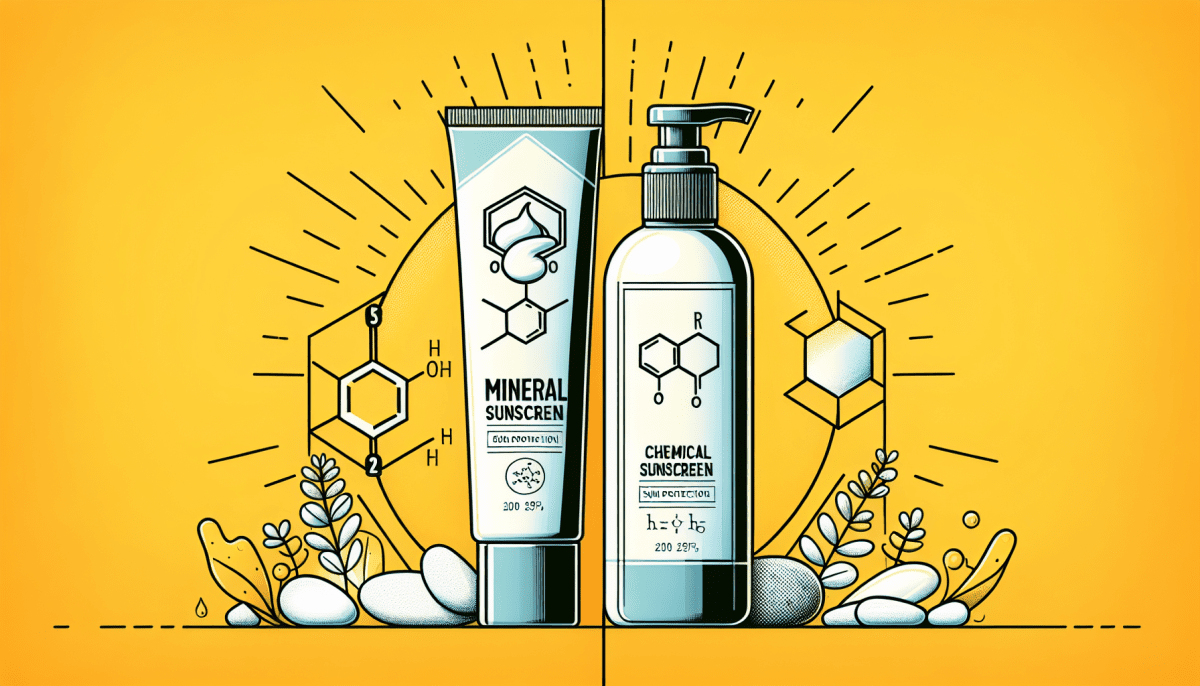
When it comes to choosing sunscreen, you've probably come across two main types: mineral and chemical. Both do the job of protecting your skin from harmful UV rays, but they work in different ways. Understanding these differences can help you pick the right one for your skin type and lifestyle.
Mineral Sunscreen: This type contains active ingredients like zinc oxide or titanium dioxide. These minerals physically sit on top of your skin and reflect UV rays. This means mineral sunscreens start working right away, making them a great option for those moments when you need quick protection. They’re also often recommended for sensitive skin because they’re less likely to irritate.
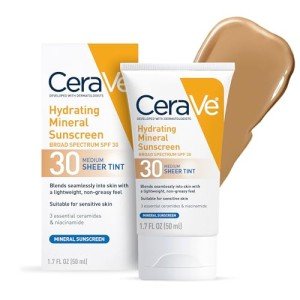
CeraVe Tinted Mineral Sunscreen SPF 30, 1.7 oz
A lightweight, vegan-friendly formula that provides sun protection and a hint of color for a natural glow
Product information
$15.99 $13.97
Product Review Score
4.84 out of 5 stars
189 reviewsProduct links
Chemical Sunscreen: On the flip side, chemical sunscreens absorb UV rays through their ingredients, which usually include avobenzone, octisalate, or octocrylene. They take a bit of time to soak in and start working, so it’s best to apply them about 15 minutes before you head out. They usually have a lighter feel on the skin and are often less noticeable when applied, making them a popular choice for daily wear.
So, how do you decide? If you have sensitive skin or you prefer something ready to go immediately, mineral sunscreen might be your best bet. If you like a lighter feel and don’t mind waiting a bit before heading outdoors, chemical sunscreen could work well for you. Remember, whichever type you choose, reapplying every two hours is key for effective sun protection.
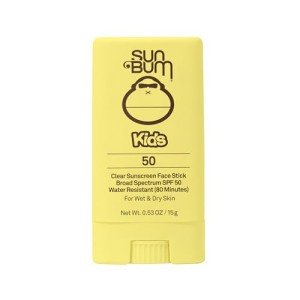
Sun Bum Kids SPF 50 Face Stick Sunscreen
Protect your little ones' skin with this gentle, mineral-based sunscreen designed for fun in the sun
Product information
$13.49 $12.49
Product Review Score
4.53 out of 5 stars
8 reviewsProduct links
Benefits of Mineral Sunscreen for Your Skin
Mineral sunscreen is gaining popularity, and for good reason! One of the biggest benefits is that it sits on top of your skin and reflects harmful UV rays away. Unlike chemical sunscreens, which absorb the rays, mineral options like zinc oxide or titanium dioxide create a protective barrier. This means your skin stays safer without soaking in potentially harsh chemicals.
Another great thing about mineral sunscreens is their low irritation factor. If you have sensitive skin or are prone to breakouts, mineral formulas are often gentler and less likely to cause reactions. Many people find them soothing, which is a huge plus for anyone with skin that easily gets irritated.
Also, mineral sunscreens often have added benefits. Many of these products are packed with antioxidants or nourishing ingredients to support skin health. This means you’re not just protecting your skin from the sun; you’re also giving it a little extra love at the same time!
Lastly, mineral sunscreens tend to offer broad-spectrum protection, which means they shield you from both UVA and UVB rays. This comprehensive protection helps reduce the risk of skin damage and premature aging. In short, choosing a mineral sunscreen is a smart way to keep your skin happy and healthy while enjoying time outdoors.
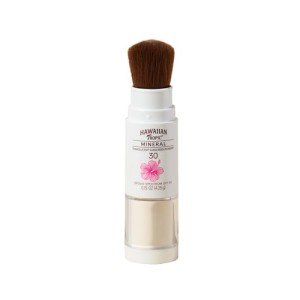
Hawaiian Tropic Mineral Powder Sunscreen Brush SPF 30
Protect your skin with this easy-to-apply mineral sunscreen that’s perfect for on-the-go touches and is entirely vegan
Product information
$19.49 $15.87
Product Review Score
4.9 out of 5 stars
34 reviewsProduct links
Advantages of Chemical Sunscreen Explained
When it comes to sun protection, chemical sunscreens have their own set of advantages that make them a popular choice for many people. One of the biggest perks is their lightweight feel. Unlike some mineral sunscreens that can leave a thick, white cast on your skin, chemical formulas absorb quickly and seamlessly into your skin, making them great for daily wear.
Another advantage is their broad-spectrum protection. These sunscreens contain ingredients like avobenzone, octisalate, and octocrylene, which effectively shield your skin from both UVA and UVB rays. This means you’re not only protecting yourself from sunburn but also preventing long-term skin damage and premature aging.
Plus, because of their thin texture, chemical sunscreens are often great for layering under makeup. They won’t clog your pores or make your skin feel greasy, which is a huge win for those with oily or combination skin types. Just a few sprays or pumps can keep your skin protected without sacrificing your makeup routine.
Lastly, many chemical sunscreens are formulated with additional skincare benefits. You can find products that include hydrating ingredients or antioxidants, which help to nourish your skin while guarding against sun exposure. This combo makes them a pretty attractive option for anyone looking to multitask with their skincare routine.
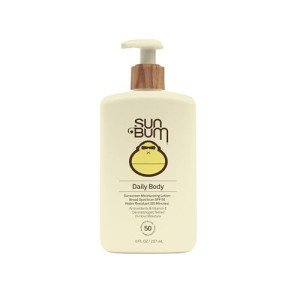
Sun Bum Daily SPF 50 Vegan Sunscreen Lotion
Protect your skin with this lightweight and nourishing sunscreen that's perfect for all-day wear
Product information
$23.99 $17.90
Product Review Score
4.44 out of 5 stars
118 reviewsProduct links
How to Pick the Right Sunscreen for You
Choosing the right sunscreen doesn’t have to be a headache! Whether you’re leaning towards mineral or chemical options, the key is to find one that suits your skin type and lifestyle. Here’s a handy guide to help you out:
- Know Your Skin Type: If you have sensitive skin, mineral sunscreens are often a better choice since they’re less likely to irritate. On the other hand, if your skin is oily or acne-prone, look for a lightweight chemical sunscreen that won’t clog your pores.
- Sun Protection Factor (SPF): Make sure to grab a sunscreen with at least SPF 30. Higher SPF offers more protection, but don’t forget that no sunscreen blocks 100% of UV rays. Apply enough product for full coverage!
- Water Resistance: If you plan on sweating or swimming, check for water-resistant formulas. These can provide longer-lasting protection while you’re enjoying the sun.
- Ingredients Matter: Take a peek at the ingredient list! If you prefer a more natural approach, go for products that contain zinc oxide or titanium dioxide for mineral protection. If convenience is key, chemical sunscreens often absorb quickly into the skin and feel less greasy.
Conclusion
Picking a sunscreen can be personal, so don’t be afraid to try a couple to see what feels best on your skin. Protect yourself and enjoy the sun safely!
